Boya ve yapıştırıcı endüstrisi, düzenlemelerin, müşteri taleplerinin ve çevresel zorunlulukların bir araya gelmesiyle derin bir dönüşüm geçiriyor. Bu bağlamda, su bazlı poliüretan dispersiyonları (PUD'ler)) Geleneksel çözücü bazlı sistemlere gelişmiş bir alternatif olarak ortaya çıkmışlardır. Bu sulu sistemler sadece dayanıklılık, aşınma direnci, yapışma ve esneklik açısından yüksek performans sağlamakla kalmaz, aynı zamanda uçucu organik bileşik (VOC) emisyonlarını da önemli ölçüde azaltır.
Bu arada, su bazlı poliüretanlar için sürekli üretim yöntemlerinin ve ölçek büyütmenin gelişimi, ek sanayileşme potansiyeli sunmaktadır.
Su bazlı poliüretan dispersiyonları, suda süspansiyon halinde bulunan poliüretan parçacıklarından oluşan koloidal sistemlerdir. Polimer çözünmesi için organik çözücülere dayanan çözelti bazlı poliüretanlardan farklıdırlar. Üreticiler, iç veya dış emülgatörler ekleyerek ve hidrofilik/hidrofobik segmentleri dikkatlice dengeleyerek, su uzaklaştırıldığında film veya kaplama oluşturan kararlı dispersiyonlar üretirler. "İç emülgatör, polimerik zincirin bir parçasını oluşturarak, dispersiyon oluşumuna yol açan faz ters çevirme adımında oluşan nanopartiküllere stabilite sağlar." Sonuç olarak, geleneksel poliüretan özelliklerine, esnekliğe, yapışmaya ve kimyasal dirence sahip, ancak katı emisyon ve sağlık standartlarını karşılayacak şekilde formüle edilmiş bir film elde edilir.
Su bazlı poliüretanların performansı, moleküler mimarinin ince ayarlanmasına bağlıdır. Örneğin, poliol seçimi (polyester veya polieter), moleküler ağırlık ve emülgatör tipi, partikül boyutu, viskozite, film oluşturma davranışı ve mekanik/kimyasal direnci etkileyecektir. "Ana bileşen olarak sulu poliüretanların yapı-özellik ilişkileri, WPU sistemlerinin reolojik özelliklerine genel bir bakış sağlar." Tasarımda temel hedefler arasında yüksek katı madde içeriği (kuruma süresini ve enerjiyi azaltmak için), sağlam çapraz bağlama (aşınma/kimyasal direnç için) ve ortam veya orta sıcaklıklarda film oluşumu (substrat uyumluluğu için) yer almaktadır.
Çözücü bazlı poliüretanlardan uzaklaşma süreci, düzenleyici baskılar (örneğin, uçucu organik bileşikler ve tehlikeli hava kirleticilerine ilişkin sınırlar) ve son kullanıcılar tarafından talep edilen giderek daha güçlü çevresel nitelikler tarafından yönlendirilmektedir.Bir hesap notuÖrneğin, sentetik deri için geleneksel solvent bazlı poliüretan köpük sistemlerinin, su bazlı alternatifler tarafından zorlandığı belirtilmektedir. Üretim tarafında ise, su bazlı poliüretanların sürekli üretimi ele alınmıştır.son dönem literatürüBu da ölçeklendirme ve işleme zorluklarına dair fikir veriyor. SIWO US gibi şirketler, düşük VOC'lu, su bazlı polimerlerini örnek göstererek sürdürülebilirliği bir farklılaştırıcı unsur olarak vurguluyor.
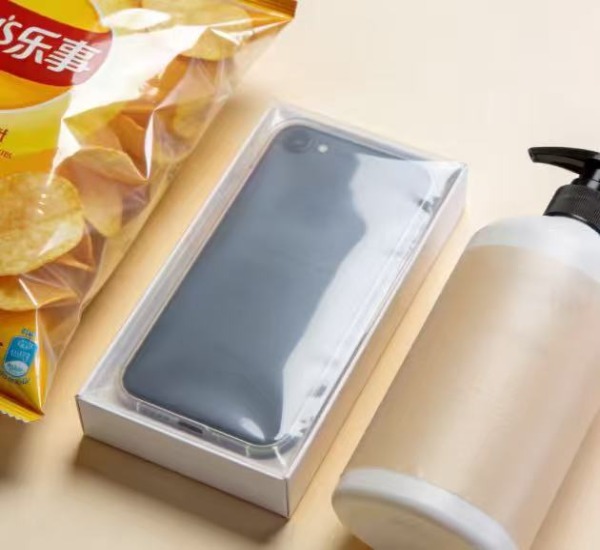
Daha Yüksek Katı Madde İçeriği ve Daha Hızlı Kuruma
Süregelen bir hedef, stabilite veya viskoziteden ödün vermeden dispersiyonların katı madde içeriğini (örneğin, %30'dan %50'ye veya daha üstüne) artırmaktır. Bu, daha kalın filmler, daha kısa su uzaklaştırma süreleri ve daha hızlı işlem hızı sağlar. Örneğin, sentetik deri için patent literatüründe %40-60 ağırlık oranında prepolimer ve %55'e kadar su içeriğine sahip PUD'lardan bahsedilmektedir. Kurutma işlemleri ve enerji verimliliği kritik hale geldikçe, üreticiler tam performans sağlarken daha düşük sıcaklıklarda hızla kürleşen veya kuruyan sistemler için baskı yapacaklardır.
Biyolojik Bazlı ve Döngüsel Hammaddeler
Sürdürülebilirlik gündemin üst sıralarında yer alırken, CO₂ bazlı polikarbonatlar gibi yeni hammadde kaynakları araştırılıyor. Örneğin, 2023 yılında yapılan bir çalışmada, "üstün çekme performansı, yapışma özellikleri ve yüzey sertliği" sağlayan CO₂ ve etilen oksitten sentezlenen bir WPU (PECD) tanımlanmıştır. Benzer şekilde, 2025 yılında yayınlanan bir makalede, biyobazlı kendi kendini onaran WPU dispersiyonları incelenmiştir. yüksek performanslı PUD'larBu yenilikler, mevcut ölçütleri karşılamakla kalmayıp, düşük çevresel etkiyi üstün işlevsellikle birleştiren yeni malzeme sistemleriyle bu ölçütleri yeniden tanımlamak anlamına geliyor.
İşlevsel ve Akıllı Mülk Eklentileri
Geleneksel ölçütlerin (sertlik, aşınma direnci, kimyasal direnç) ötesinde, yeni nesil poliüretanlar (PUD'ler) akıllı veya çok fonksiyonlu özellikler entegre edecek: kendi kendini onarma, antimikrobiyal, kendi kendini matlaştırma, UV stabilitesi ve hatta sensör entegrasyonu. Su bazlı poliüretan matlaştırma reçinelerindeki gelişmelere ilişkin 2024 tarihli bir inceleme, daha önce niş özellikler (mat yüzey, doku kontrolü) nasıl önem kazandığını gösteriyor. Nanocellüloz, grafen veya diğer nano takviyelerin PUD'lere entegre edilerek mekanik/termal özelliklerin iyileştirilmesi de ortaya çıkıyor.
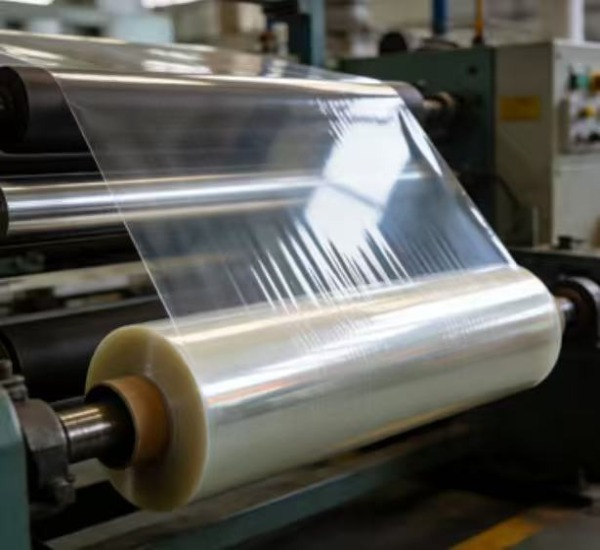
Çözücü bazlı poliüretan sistemlerin çağı, yerini yeni bir paradigmaya bırakıyor; bu paradigma, yalnızca karşılaştırılabilir mekanik ve kimyasal performans sunmakla kalmayıp aynı zamanda çevresel, sağlık ve sürdürülebilirlik gereklilikleriyle de uyumlu olan yüksek performanslı, su bazlı poliüretan dispersiyonlarıyla tanımlanıyor. Gelişmiş moleküler tasarım, artırılmış katı madde içeriği, fonksiyonel katkı maddeleri ve süreç optimizasyonunun birleşimi bu geçişi destekliyor.
Teknik şartname belirleyiciler, kaplamacılar, üreticiler ve OEM'ler için zorunluluk açık: su bazlı sistemlere şimdi uyum sağlayın, aksi takdirde geride kalma riskiyle karşı karşıya kalırsınız. Derin Ar-Ge'ye, küresel üretime ve kapsamlı bir PUD portföyüne sahip SIWO US gibi şirketler, doğru ortağın bu geçişi nasıl hızlandırabileceğini gösteriyor. Yolculuk devam ederken, biyobazlı hammaddelerde, kendi kendini onaran filmlerde, ultra yüksek performanslı dispersiyonlarda ve gerçekten döngüsel kaplama ekosistemlerinde daha fazla atılım görmeyi bekliyoruz.
Özetle: çözücülerin ötesinde, daha çevreci, daha akıllı, daha dayanıklı ve yarının taleplerine hazır kaplamalar ve yapıştırıcılar yatıyor.





Site haritası Blog Xml Gizlilik Politikası
telif hakkı
@ Runshine Yeni Malzemeler (FoShan) Şirketi Ltd. Her hakkı saklıdır.
 AĞ DESTEKLENİYOR
mesaj bırakın
Wechat'e Tara :

WhatsApp'a Tara :